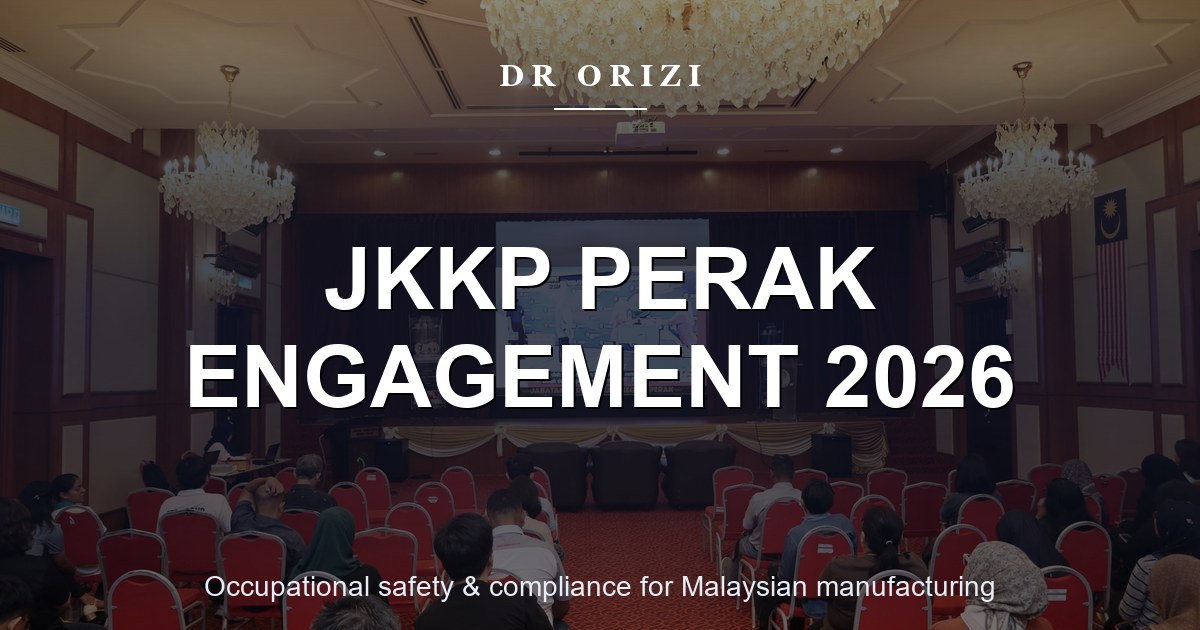
Regulators explain their expectations in rooms like this one, months before those expectations show up as an inspection finding.
Written & researched by Kanagesh R., Human Resources & Workplace Practices Contributor · Reviewed by Creaton Poh · Published by Dr Orizi (M) Sdn. Bhd., ORIZI Group · Last reviewed July 2026
Disclosure: This article is published by Dr Orizi and describes a company event at our own facility. External factual claims are supported by cited sources.
Quick Answer
Dr Orizi attended the Program Libat Urus dan Pematuhan Industri Pembuatan Perak, an industry engagement and compliance programme for the state’s manufacturing sector organised by the Department of Occupational Safety and Health (DOSH/JKKP) Perak, held on 16 July 2026 at Dewan Rimbawan, Jabatan Perhutanan Negeri Perak in Ipoh. The programme also marked the launch of Jelajah 150 Tahun KKP Negeri Perak 2026, the Perak leg of a commemorative tour marking 150 years of occupational safety and health in Malaysia, held in conjunction with National Occupational Safety and Health Week 2026.
Key Takeaways
- Half-day programme bringing JKKP Perak officers together with the state’s manufacturing industry, held as the Perak leg of National Occupational Safety and Health Week 2026.
- The ceremony launching Jelajah 150 Tahun KKP Negeri Perak 2026 was officiated by the Director of JKKP Perak, YBrs. Haji Mohd Hazlin bin Husain.
- The 150-year milestone runs from the Steam Boiler Ordinance of 1876 through the Factories and Machinery Act 1967 to the Occupational Safety and Health Act 1994 (Act 514).
- For an OEM manufacturer, the value is hearing enforcement priorities directly rather than inferring them from an inspection.
Scope of this article
This is a record of a public industry programme that Dr Orizi attended, together with the regulatory background needed to make sense of it. It reports what was covered at the session. It does not represent JKKP, and it is not a summary of any legal obligation — for that, the legislation itself is linked below.
What was the programme about?
The half-day programme brought JKKP Perak officers and the state’s manufacturing industry into one hall. Through briefings and direct engagement, participants were taken through their duties in occupational safety and health compliance, and through the role of continuing engagement between the regulator and industry.
The Department of Occupational Safety and Health (Jabatan Keselamatan dan Kesihatan Pekerjaan, JKKP, also known as DOSH) is the federal agency under the Ministry of Human Resources responsible for administering and enforcing occupational safety and health legislation in Malaysia. Sessions of this kind are how the department sets out where its attention will be directed.
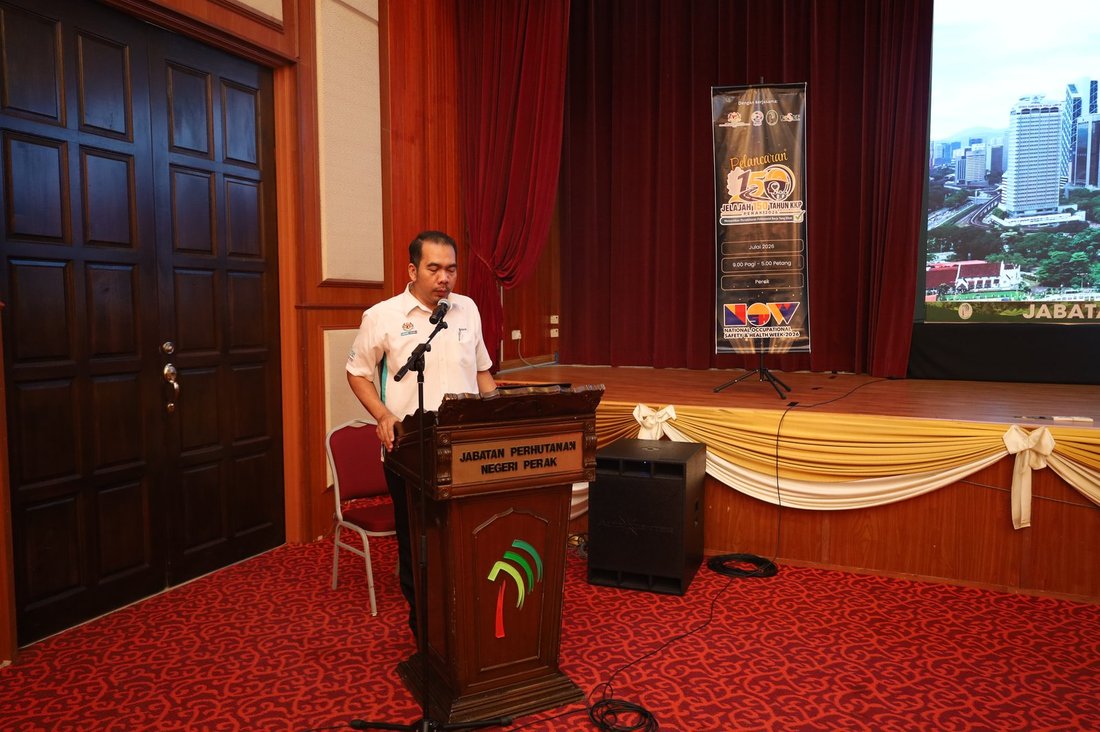
The launch of Jelajah 150 Tahun KKP Negeri Perak 2026
A highlight of the morning was the official launch of Jelajah 150 Tahun KKP Negeri Perak 2026, the Perak leg of the commemorative tour marking 150 years of occupational safety and health (Keselamatan dan Kesihatan Pekerjaan, KKP) in Malaysia, held in conjunction with National Occupational Safety and Health Week 2026. The ceremony was officiated by YBrs. Haji Mohd Hazlin bin Husain, Director of JKKP Perak.
The 150-year span traces a specific legislative line:
| Year | Instrument | What changed |
|---|---|---|
| 1876 | Steam Boiler Ordinance | The region’s first machinery-safety law; safety becomes a matter of statute rather than custom. |
| 1967 | Factories and Machinery Act | Scope widens from boilers to factories and machinery generally. |
| 1994 | Occupational Safety and Health Act (Act 514) | Shifts from prescriptive machinery rules to a general duty of care on employers and employees across workplaces. |
That last shift is the one that matters day to day. Act 514 does not hand a manufacturer a checklist to complete; it places a duty to ensure safety so far as is practicable, which means the adequacy of what you do is judged against your own hazards rather than against a generic list.
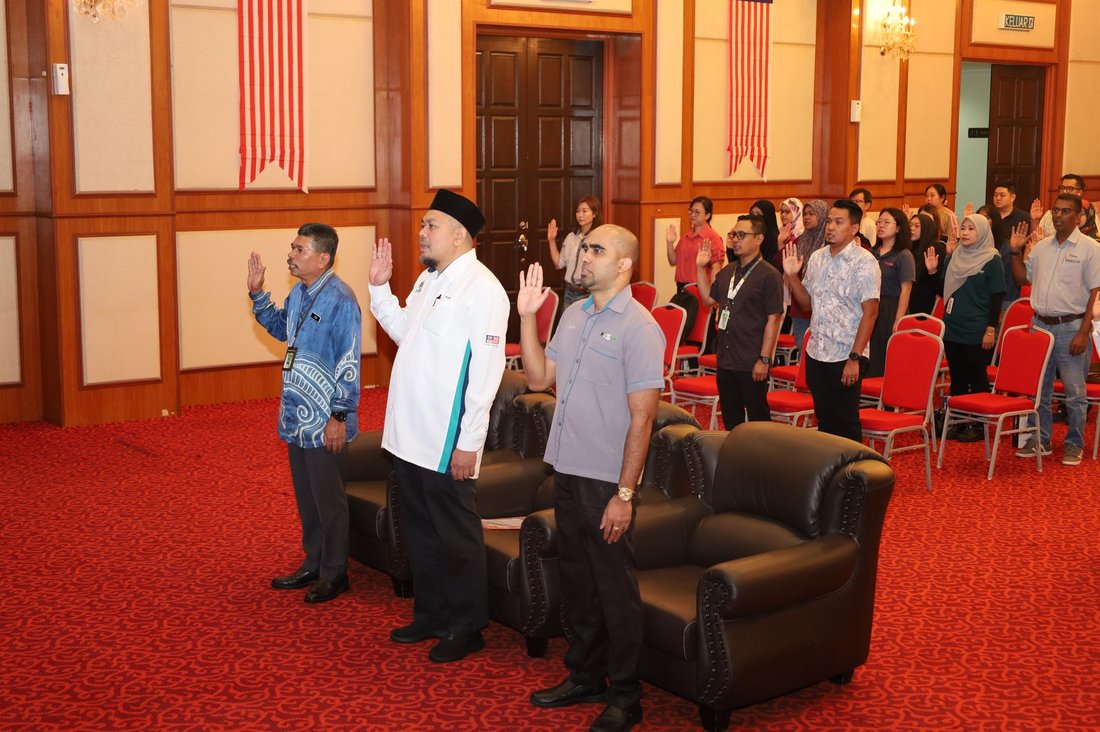
Why does an OEM cosmetics manufacturer attend a session like this?
Three reasons, in order of practical value.
Enforcement priorities are stated, not inferred. A regulator that is about to focus on a particular class of hazard usually says so at engagement sessions first. Hearing it in July is considerably cheaper than discovering it during an inspection.
Ambiguity gets resolved in person. A duty framed as “so far as is practicable” is deliberately flexible, and the useful detail about how it is read in practice tends to come out in question-and-answer rather than in a circular.
Brand owners increasingly audit this. Retail chains and export customers ask about workplace safety and labour practices as part of supplier assessment, alongside product quality. Regulator engagement is part of the evidence that the answer is a system rather than an assertion.
The Dr Orizi perspective: safety and quality run on the same discipline
Based on our own manufacturing experience, occupational safety and product quality fail for the same reason. Both depend on a written procedure being followed when nobody is watching and recorded afterwards. A site where the batch record is filled in at the end of the shift from memory is usually the same site where the machine guard interlock is bypassed because it slows down a changeover.
That is why we treat sessions like this one as connected to how the facility is run rather than as a separate compliance activity. The same month, the team also completed First Aid and CPR training and rehearsed a full evacuation drill. Those three items are one programme, not three announcements.
Limitations
- Attendance at a regulator engagement programme is not a certification, an endorsement or a compliance status. It is participation.
- This account reflects what was presented at the session. Where a legal obligation matters to your business, read the legislation or take professional advice rather than relying on a summary.
- Details of the programme, including the officiating officer and venue, are as at 16 July 2026.
Frequently asked questions
What is JKKP?
JKKP (Jabatan Keselamatan dan Kesihatan Pekerjaan), known in English as the Department of Occupational Safety and Health or DOSH, is the Malaysian federal agency under the Ministry of Human Resources responsible for administering and enforcing occupational safety and health legislation.
What is the Occupational Safety and Health Act 1994?
The Occupational Safety and Health Act 1994 (Act 514) is the principal Malaysian legislation placing general duties on employers and employees to ensure safety, health and welfare at work, so far as is practicable.
What is Jelajah 150 Tahun KKP?
Jelajah 150 Tahun KKP is a commemorative national tour marking 150 years of occupational safety and health in Malaysia, dating the starting point to the Steam Boiler Ordinance of 1876, with state legs held in conjunction with National Occupational Safety and Health Week.
Does occupational safety and health compliance matter to a brand owner choosing an OEM?
Yes, increasingly. Retail chains and export buyers commonly assess supplier workplace practices alongside product quality, and a serious safety incident is also a supply interruption.
Sources & references
- DOSH/JKKP — department profile — the department’s role and enforcement mandate.
- DOSH/JKKP — National Occupational Safety and Health Week — the national programme under which the Perak leg was held.
- DOSH/JKKP — Acts — the Occupational Safety and Health Act 1994 and the Factories and Machinery Act 1967.
- Ministry of Human Resources Malaysia — the ministry under which DOSH operates.
Update history
July 2026 — First published, recording Dr Orizi’s attendance at the JKKP Perak Industry Engagement and Compliance Programme on 16 July 2026.
Related from Dr Orizi: our facilities and our social responsibility set out how this connects to the way we operate. Adapted for Dr Orizi from the group announcement published by ORIZI Group.