Exosomes are the loudest word in aesthetics right now — our team sat in a doctors’ workshop to hear the science first-hand, and here is the honest version for cosmetics brands.
Disclosure: Dr Orizi is the cosmetics manufacturing arm of ORIZI Group. We attended this practitioner workshop as observers; we have no commercial relationship with its organisers or exhibitors.
Quick Answer
On 2 November 2026 the ORIZI Group team attended “Beyond Symptom Control: Exploring Regenerative Approaches to Chronic Disease”, a doctors’ workshop led by Dr Eric Lee at PARKROYAL Kuala Lumpur covering exosomes, MSC stem-cell science and NK-cell biology. For cosmetics brands the takeaway is double-edged: exosome language is arriving fast in Asian beauty, but the clinical evidence is still largely preclinical, and Malaysian cosmetic regulation does not allow therapeutic claims. The brands that win will borrow the science carefully, not recklessly.
Key Takeaways
- Practitioner education on exosomes and MSC science is accelerating in Malaysia — consumer demand typically follows within one to two product cycles.
- The workshop itself flagged that evidence is predominantly preclinical and depends on vesicle source and preparation.
- Cosmetics can use regenerative-inspired actives and storytelling, but claims must stay inside the NPRA cosmetic framework.
Scope of this article
This is an event recap and market commentary for cosmetics and wellness brands. It is not medical advice, does not evaluate any clinical therapy, and does not endorse any product shown at the event.
What did the workshop teach?
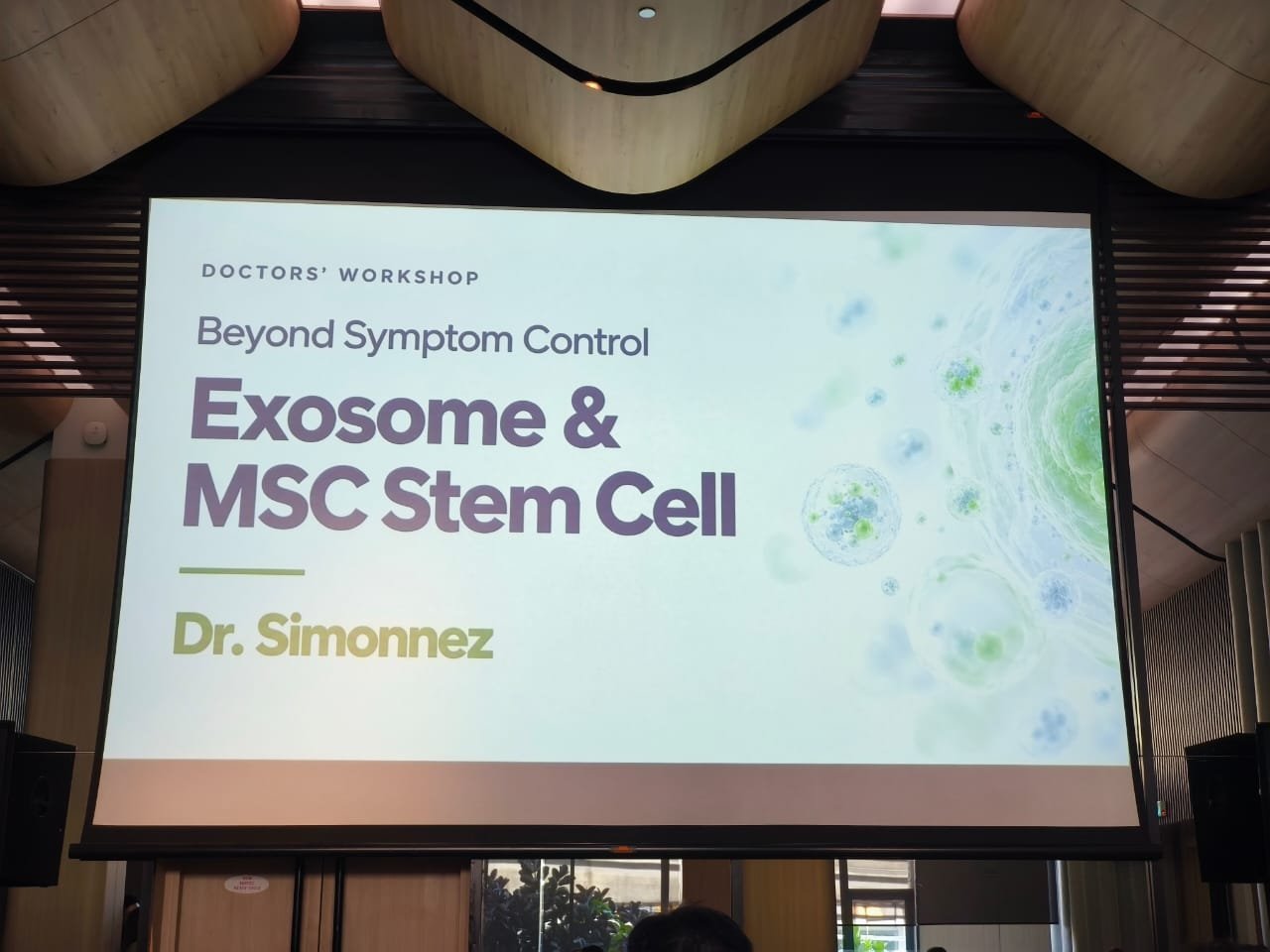
The exosome and MSC stem-cell teaching session at PARKROYAL Kuala Lumpur, 2 November 2026.
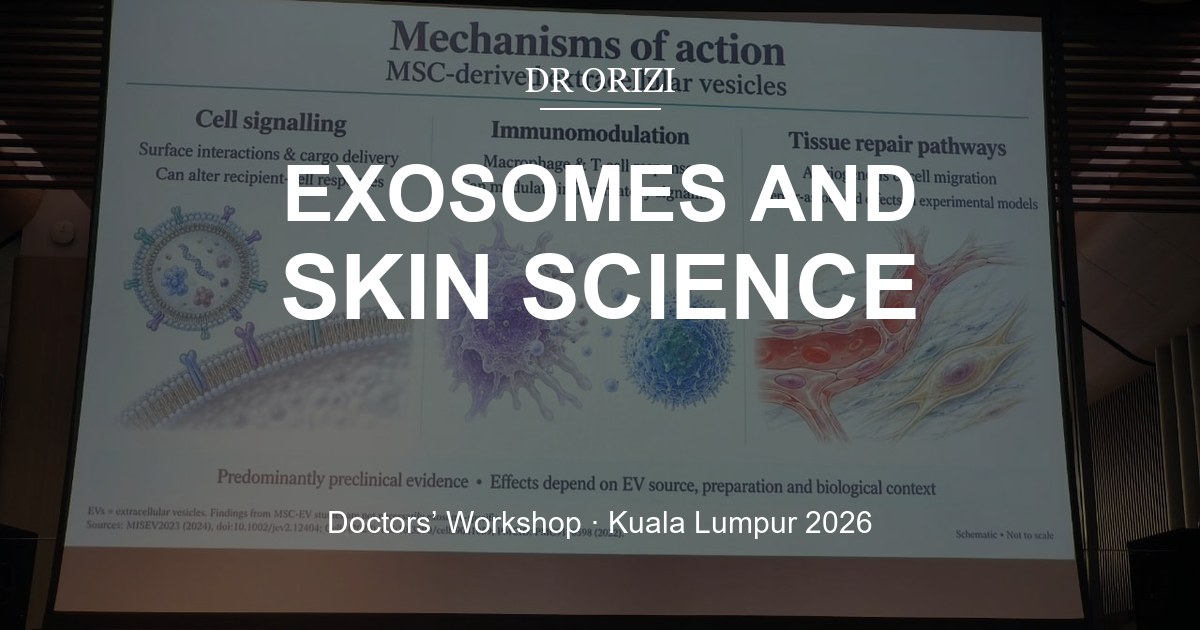
The sessions walked a medical audience through regenerative biology: what MSC-derived exosomes are, how they differ from living stem cells, and the three mechanism families being studied — cell signalling, immunomodulation and tissue-repair pathways. Clinical-evidence sessions reviewed human studies with their findings and limitations stated plainly.
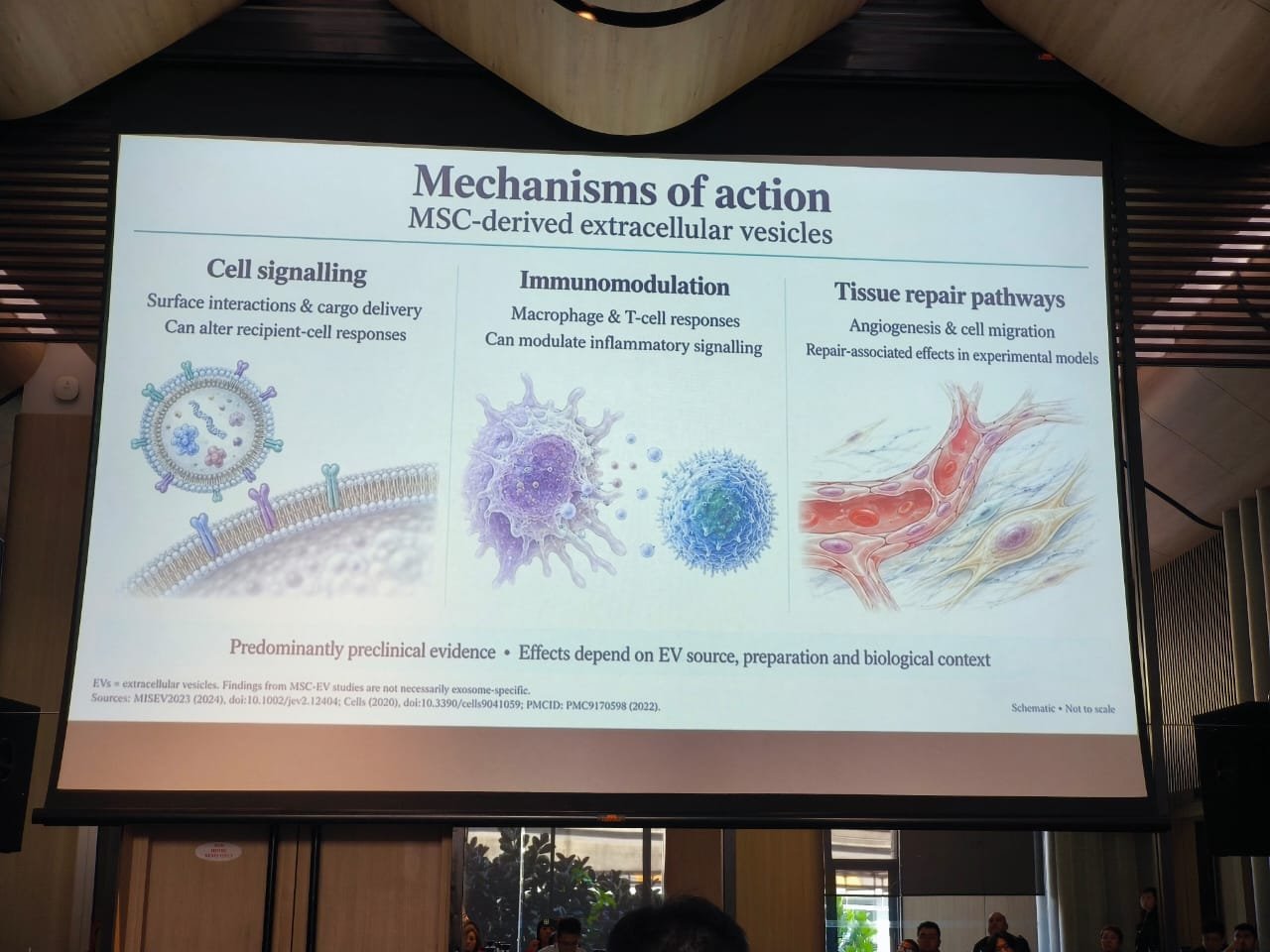
Mechanisms of action, with the key caveat on screen: evidence is predominantly preclinical.
What does this mean for a beauty brand?
| Regenerative trend | What the clinic world is doing | The compliant cosmetic translation |
|---|---|---|
| Exosomes | MSC- and NK-derived vesicles under clinical study | Plant or marine “exosome-inspired” actives with skin-conditioning claims |
| Cellular energy & longevity | Executive health and healthy-ageing programmes | Skin-longevity serums and supplements with structure-function positioning |
| Regenerative intimate care | Practitioner-channel essences and treatment formats | Gentle intimate-care cosmetic ranges with hygiene and comfort claims |
| Device-supported delivery | Pen and device formats in clinical settings | At-home beauty-device pairings developed under proper device classification |
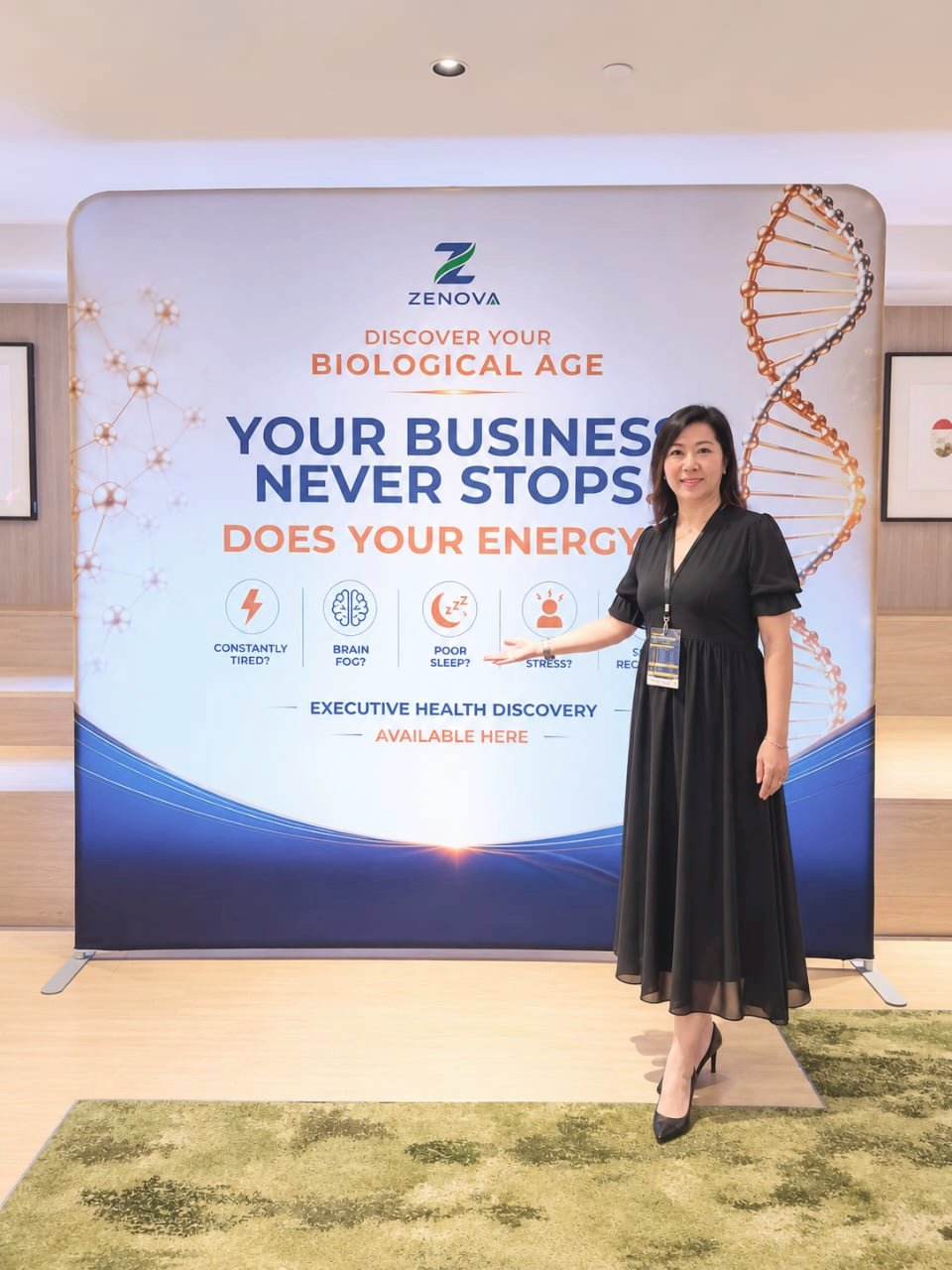
The exhibition floor packaged regenerative science into wellness formats, from health screening to treatment devices.
Where is the line for cosmetic claims in Malaysia?
Cosmetics notified with the National Pharmaceutical Regulatory Agency cannot claim to treat, cure or regenerate — those are therapeutic claims. A cosmetic can condition, moisturise, visibly improve and protect. The exosome conversation makes this line dangerous for enthusiastic founders: copy clinical language into a moisturiser and the product is no longer a cosmetic. Our regulatory team reads every claim against the notified category before anything is printed.
The Dr Orizi perspective
We see exosome-inspired skincare following the same curve PDRN travelled: clinic first, practitioner channel second, retail third. The window for brands is now — build the formulation story early, with honest claims and credible actives, before the retail shelf is crowded. That is the work we do daily in our GMP-certified facilities, across our product categories and OEM services, with the wider group’s medical-device companies covering formats that fall outside cosmetics.
Limitations
Observations are from attendance at a single event; session contents are summarised from presentations and have not been independently verified. Product and brand names seen at the exhibition belong to their respective owners. Nothing here is a clinical or efficacy claim.
Frequently Asked Questions
Are exosome skincare products legal in Malaysia?
Products positioned as cosmetics must stay within cosmetic claims under the NPRA notification framework. Human- or animal-cell-derived materials and therapeutic claims fall outside that framework; many “exosome” cosmetics therefore use plant- or marine-derived exosome-like actives instead.
Do exosome creams actually work?
The honest answer from the workshop itself: evidence for exosome therapies is predominantly preclinical, and cosmetic formulations are a further step removed. Well-designed cosmetic actives can deliver real skin-conditioning benefits, but brands should not borrow clinical outcomes as marketing claims.
How can my brand use this trend credibly?
Anchor the product in a documented active, keep claims cosmetic, and let the regenerative story sit at the inspiration level. An experienced OEM partner will pressure-test both the formula and the wording — talk to us before you commit packaging copy.
Sources
- Regenerative Medicine Therapy in Malaysia: An Update — Frontiers in Bioengineering and Biotechnology
- National Pharmaceutical Regulatory Agency (NPRA), Malaysia
- International Society for Cell & Gene Therapy
Update history
18 November 2026 — First published, from the team’s attendance on 2 November 2026. No public press coverage of the workshop was available at publication.
Related from Dr Orizi
- Skin longevity ingredient trends: CODIF seminar recap
- UTAR Faculty of Science visits ORIZI Group
- About Dr Orizi · Join our team · Our social responsibility · Contact us
Adapted for Dr Orizi from the group announcement published by ORIZI Group.