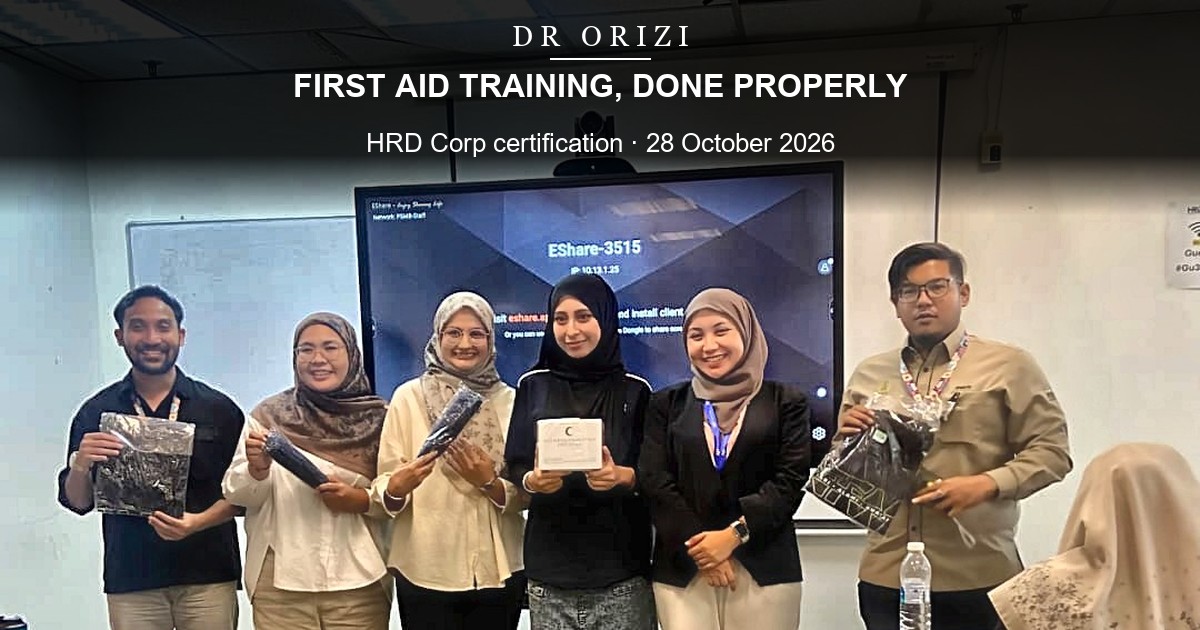
In a factory emergency, the useful question is not who is qualified — it is who is nearby.
Written & researched by Kanagesh R., Human Resources & Workplace Practices Contributor · Reviewed by Creaton Poh · Published by Dr Orizi (M) Sdn. Bhd., ORIZI Group · Last reviewed October 2026
Disclosure: This article describes training our own team attended. It is general information on workplace first aid and HRD Corp funding, not medical, legal or safety-compliance advice.
Quick Answer
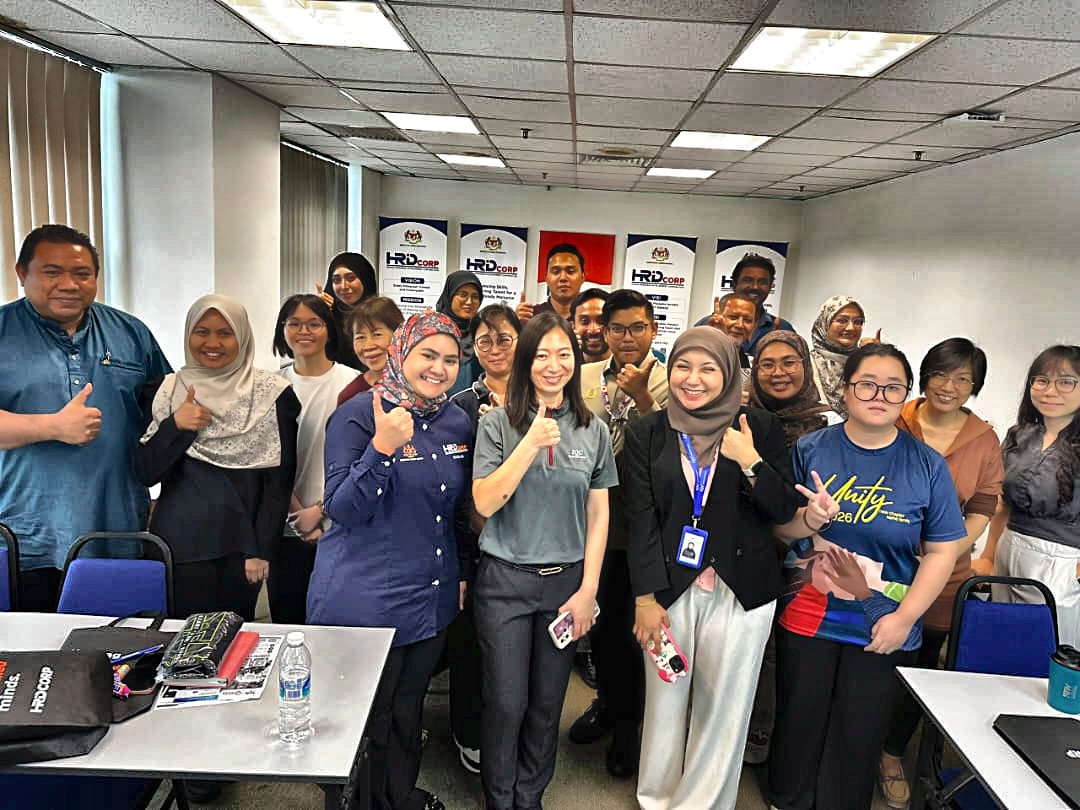
Our team attended HRD Corp Training Unlocked: Certification & Focus Area — Basic Occupational First Aid on 28 October 2026. The session covered basic first aid procedures, wound care, CPR awareness and casualty handling, including practical carries. For a cosmetics manufacturing site, the point of the training is coverage: enough trained people, spread across shifts and areas, that someone competent is always within reach of an incident.
Key Takeaways
- Workplace first aid is measured in minutes — what happens before the ambulance arrives usually decides the outcome.
- Coverage beats credentials: first aiders need to be distributed across shifts, floors and departments, not concentrated in one office.
- HRD Corp training is paid for from the levy employers already contribute, so structured safety training is largely a planning decision rather than a budget one.
- A trained response is also an auditable one — incident handling, records and follow-up are what auditors look for.
Scope of this article
This records training our own staff attended and explains, in general terms, how workplace first aid and HRD Corp-funded training work in Malaysia. It does not reproduce the course syllabus, give clinical instruction, or state the legal first-aider requirements for any specific workplace — those depend on the site and should be checked against current DOSH guidance.
What does “basic occupational first aid” actually include?
| Component | What it means on a production floor |
|---|---|
| Recognising an emergency | Knowing when something is a first aid case and when to call for professional help immediately |
| Basic first aid procedures | A repeatable sequence so the response does not depend on improvisation |
| Wound care | Cuts, abrasions and burns — the most common incidents around equipment and hot processes |
| CPR awareness | Recognising cardiac arrest and starting compressions without hesitation |
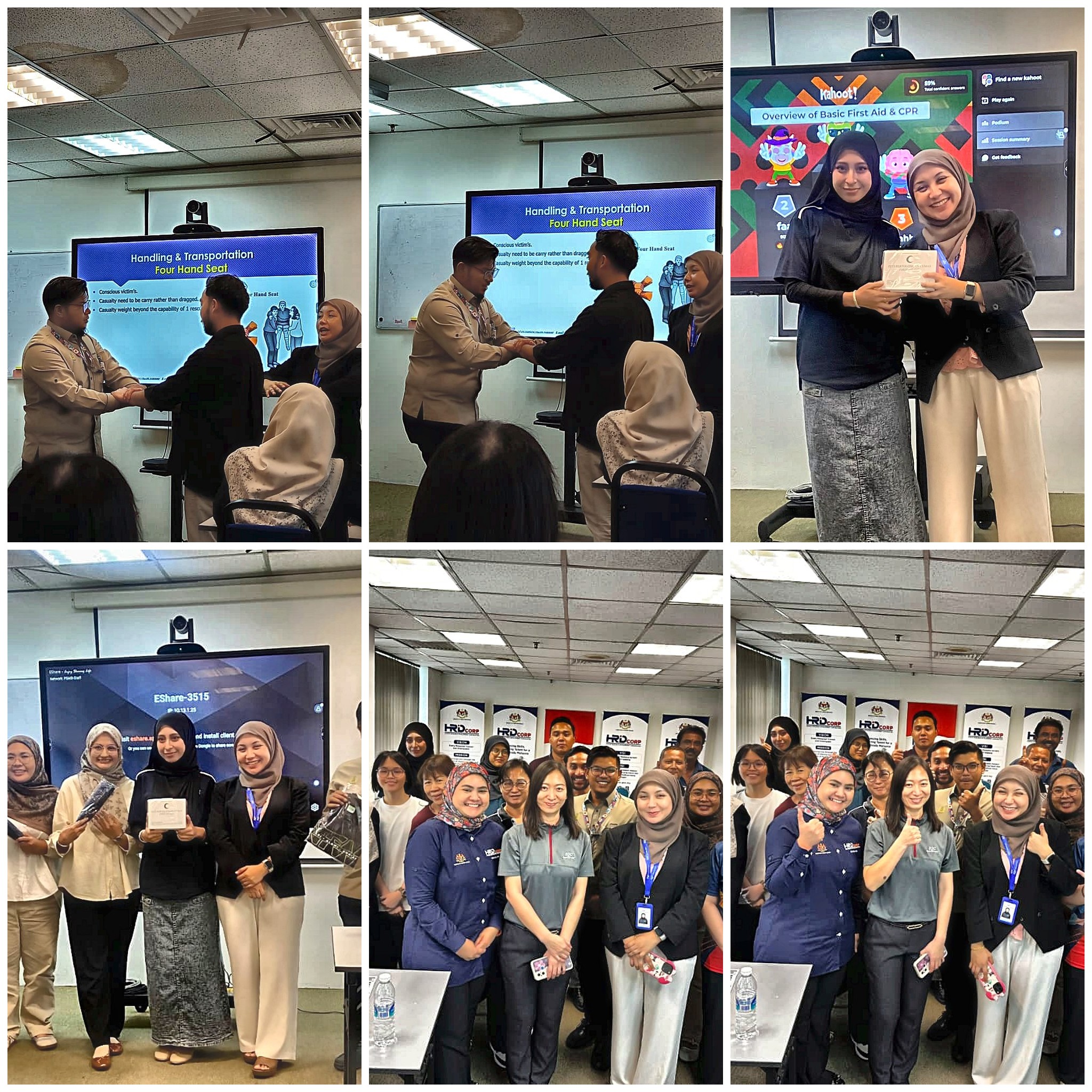
| Handling & transportation | Moving a casualty safely — carries such as the four-hand seat, practised with a partner |
How is this training funded?
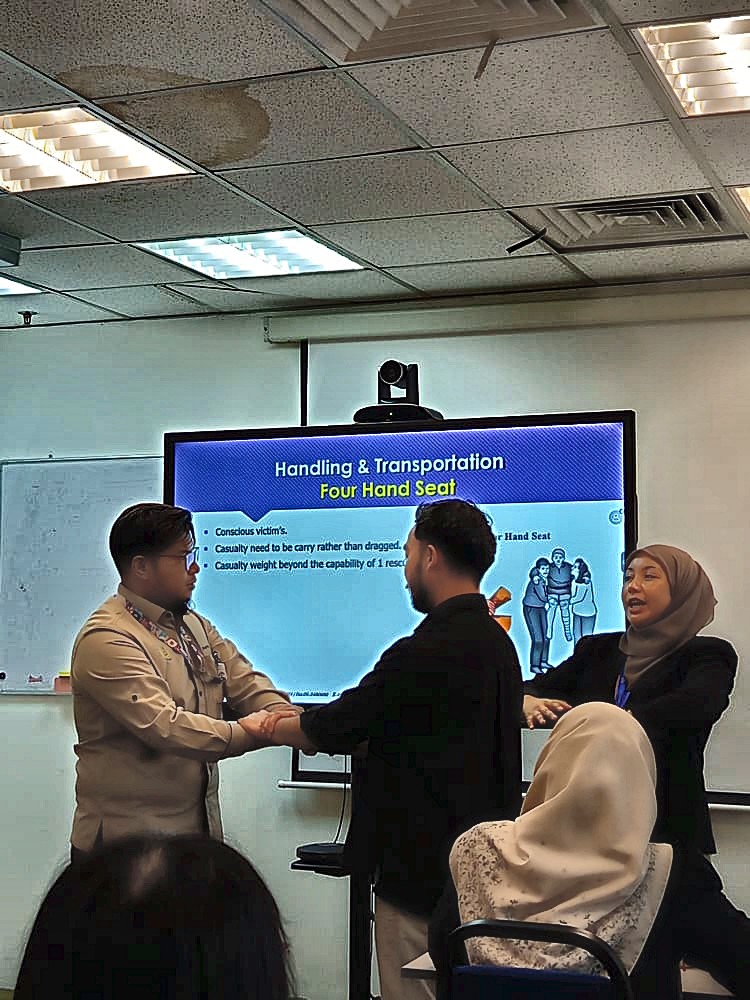
HRD Corp, the agency under the Ministry of Human Resources established under the Pembangunan Sumber Manusia Berhad Act 2001, collects a monthly human resource development levy from registered employers. Employers apply for grant approval before a course and claim the approved cost afterwards. Registration is mandatory above the employee threshold HRD Corp sets and optional for smaller employers; current rates, thresholds and claim windows are published in HRD Corp’s FAQ.
The practical consequence for a manufacturer: the levy is already being paid, so the real constraint on safety training is scheduling production around it — not cost.
The Dr Orizi perspective: coverage, not certificates
Our view after running safety training across the group is that the certificate on the wall is the least interesting output. Three things matter more:
- Spread. Trained people should sit across shifts, floors and departments. An incident at 11pm on the packing line is not helped by a first aider who works office hours.
- Refreshers. CPR technique and carries decay quickly without practice. Training once is a record; training repeatedly is a capability.
- What happens after. Reporting the incident, replenishing the first aid kit, reviewing what caused it — this is the part that shows up in an audit and the part most often skipped.
It is the same logic as our fire drill training and our earlier First Aid & CPR session: a procedure nobody has rehearsed is a document, not a plan.
Limitations
- Attending basic first aid training does not make anyone a medical professional; the purpose is immediate assistance until professional help arrives.
- The number of first aiders and the first aid facilities a workplace needs depend on headcount, shift pattern, layout, hazards and distance to medical services — check current DOSH guidance for your site.
- HRD Corp levy rates, thresholds and claim procedures change from time to time; confirm against the official portal before planning a claim.
Frequently asked questions
What is covered in basic occupational first aid training?
Recognising workplace emergencies, basic first aid procedures, wound care, CPR awareness, and safe handling and transportation of a casualty — in short, the immediate assistance given before professional medical help arrives.
Who is HRD Corp?
HRD Corp (Pembangunan Sumber Manusia Berhad) is the Malaysian agency under the Ministry of Human Resources that administers the human resource development levy and funds approved employee training for registered employers.
How many first aiders does a factory need in Malaysia?
There is no single number that fits every site. DOSH guidance on first aid in the workplace considers the number of employees, how they are distributed, shift arrangements, the nature of the work, the size and location of the workplace, and the distance from outside medical services.
Does Dr Orizi train its production staff in safety?
Yes. The team runs recurring safety training including first aid and CPR, fire drills and GMP awareness — see our facilities or join our team.
Sources & references
- HRD Corp and HRD Corp FAQ — levy, registration and claims
- Ministry of Human Resources Malaysia
- Department of Occupational Safety and Health (DOSH) — guidance on first aid in the workplace
Update history
October 2026 — First published, recording attendance at HRD Corp Training Unlocked: Certification & Focus Area — Basic Occupational First Aid on 28 October 2026.
Related from Dr Orizi: our facilities, about us, our social responsibility and contact us. Adapted for Dr Orizi from the group announcement published by ORIZI Group.